What does it mean to have a company in this era?
Is that even possible for independent artists?
LOAIZAcorpóreo is the façade I've put forward since 2018. It exists as my "company" name whenever grant, festival or other annoyingly inflexible forms require it... In reality, I'm just a guy who works with who I can, when I can—stubbornly intent on building friendships along the way.
I think the idea of having a company piles unnecessary pressure onto independent artists who just want to make shit, imposing almost unnatainable work models on dance collectives that are figuring out how to stay together. What I care for is strong, diverse, fun groups that exchange their time and creativity for the satisfaction of art (...and getting paid, of course).
Things might change, but for now it’s just me—Victor—with great talented friends. Smashing art and body. Making stuff. Awesome stuff..
What does it mean to have a company in this era?
Is that even possible for independent artists?
LOAIZAcorpóreo is the brand that I have put forward since 2018. It serves as the name for my “company” whenever grant, festival or other application forms require it. It’s fake—in a sense…
I don’t care much for the idea of a company as an artist, I think it’s a somewhat impossible, romanticized and obsolete perspective on dance collectives in the present era. What I care for is friendships and strong, diverse, fun groups that come together for specific projects.
If you want, you can name my company LOAIZAcorpóreo, but… really, it’s just me: Victor, and great, talented friends—smashing art and body, making stuff, awesome stuff.

Just over a hundred years after Álvaro Obregón's nationalist initiative, dance remains deeply intertwined with the archetypal representations of the Mexican epic, exemplifying its enduring influence in the realm of artistic expression.
In the aftermath of the revolution, there arose a political imperative to construct a cohesive national identity encompassing all inhabitants of Mexican territory. Under the cultural stewardship of José Vasconcelos, the establishment of Folkloric Ballets, the post-revolution educational reforms, and the widespread promotion of a folkloric aesthetic during Mexico's artistic golden age, numerous artists played pivotal roles in crafting cultural symbols that shaped both national and international perceptions of Mexican identity.
These creative endeavors birthed an idealized and romanticized perception of Mexico, deeply embedded in both the national and global collective consciousness. Images such as the China Poblana and the Charro, revolutionary figures, the ubiquitous presence of alcohol and the cactus, the enigmatic sensuality of the Tehuana, the iconic Mariachi bands with their sombreros, and the charrería as a symbolic counterpart to American cowboys, among countless others, became indelible national icons. Captured in a mythical past, these representations paradoxically became integral elements of the contemporary Mexican identity, albeit perhaps inaccurately, yet undeniably emblematic of Mexico.
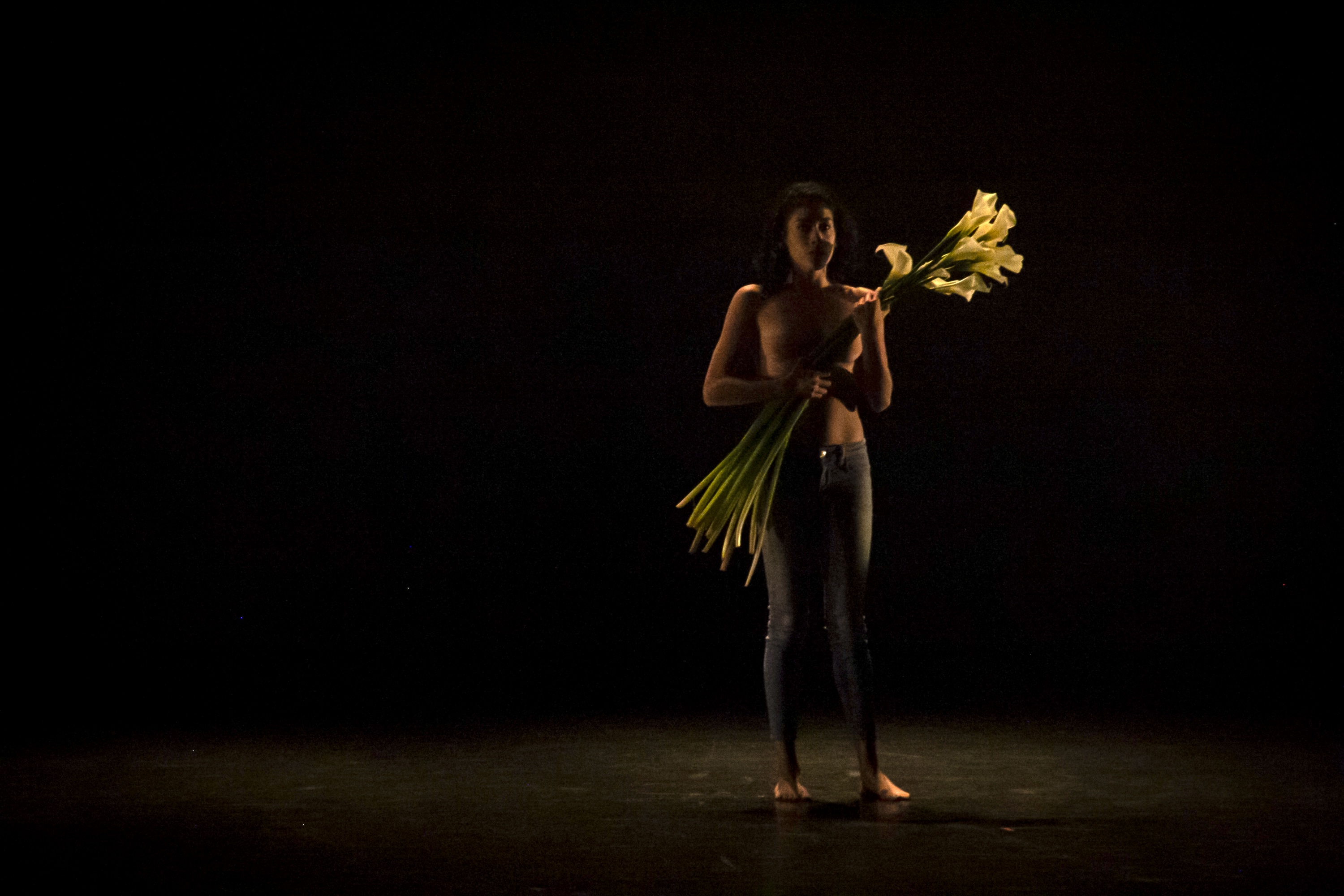
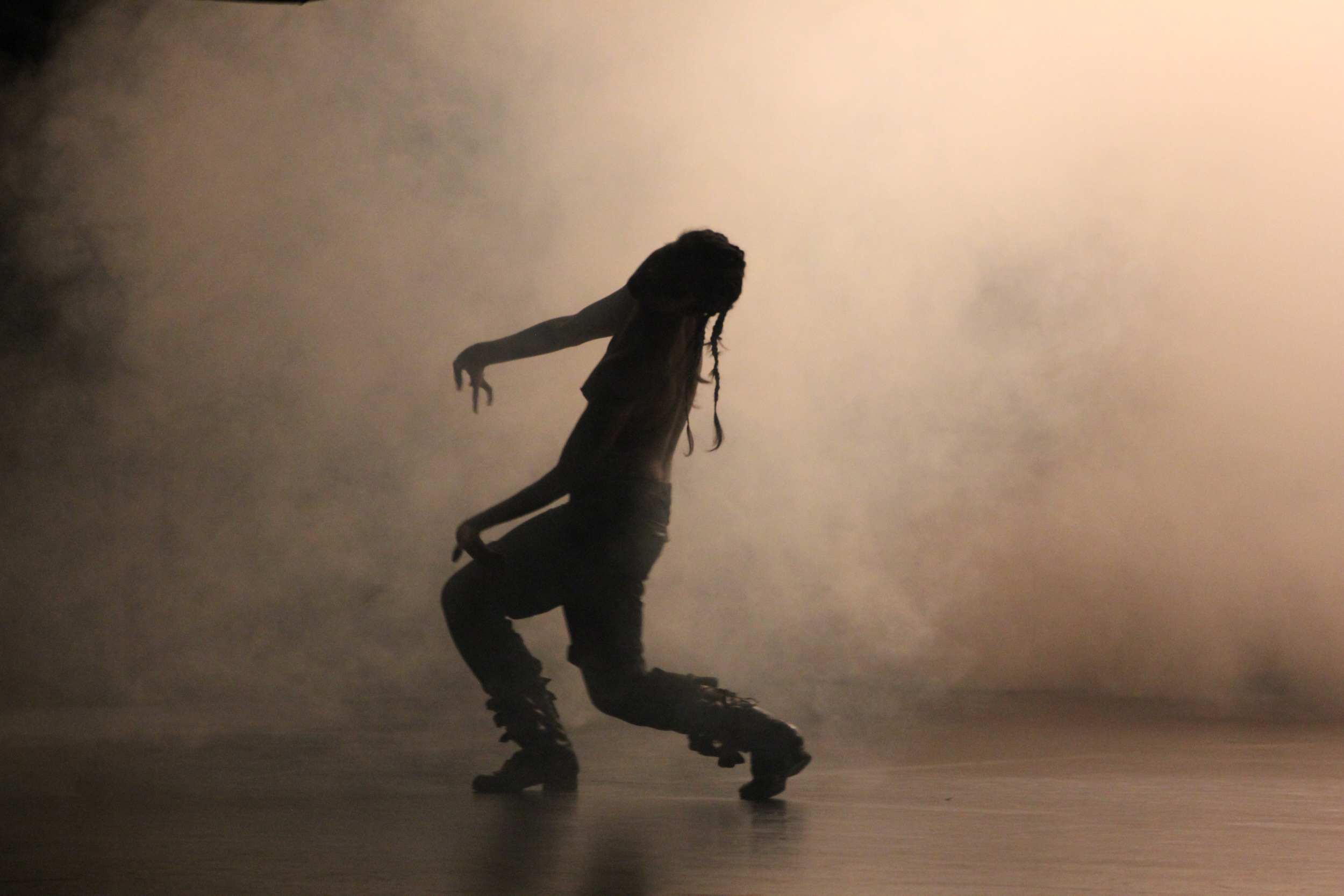
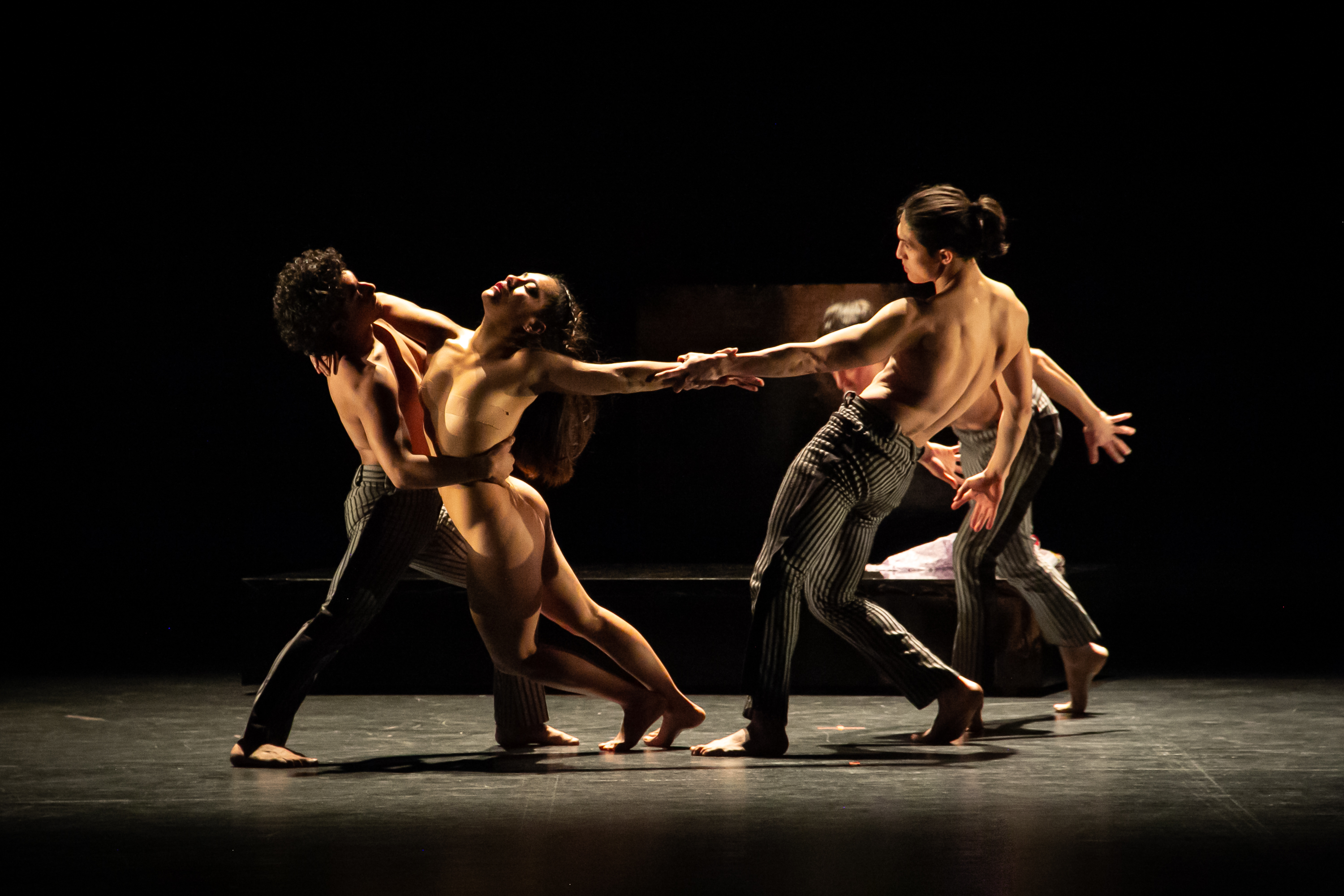
"MEXAgrafías - Realidades subalternas de la mexicanidad" is a choreographic series composed of various pieces aimed at offering a critical view of the icons of Mexican epic, thus addressing the contemporary realities of Mexican life. The choreographic initiative seeks to challenge the conventional perception of Mexicanness by deconstructing emblems, archetypes, and iconography rooted in nationalist epic. By confronting this collective imagery with the country's everyday reality, the aim is to surpass the romanticization of Mexicanness and give voice to subaltern realities.
The language of movement in "MEXAgrafías" develops from the transmutation of iconography into bodily expressions. Impregnated with historical-cultural context and personal experiences, the choreographic series becomes an aesthetic testimony of the contemporary Mexican experience, blending elements of folklore and popular culture. The auditory, the visual, and the dance converge to create a dimension where various facets of the vibrant and multifaceted Mexican identity are glimpsed.
The project is presented as a modular puzzle composed of fragments of independent pieces that are assembled according to the context of their presentation. The work can be adapted as a specific combination of pieces or as a continuous version of a particular piece.